
Plumbing Pipe Leak Detection & Broken Pipe Repair
Your plumbing pipe leak just became our problem to solve.
Water bill spiked for no reason. Sound of running water when nothing’s on. A damp spot that shouldn’t be there. You know something’s wrong—you just can’t see it.
Hidden leaks are maddening. They cause real damage—mold, rot, foundation problems—and the longer they go undetected, the worse it gets. We get it. Let us find it and fix it.
Call (707) 200-8350 and we’ll make your leak our problem.
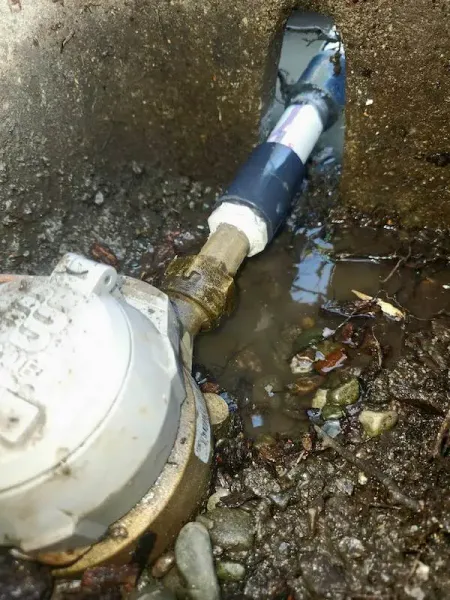
What to Do Right Now
If you have an active leak causing damage:
- Shut off the water — Main shutoff is usually near the street or where the main line enters your home
- Stop the spread — Move valuables away from the water, put down towels
- Call us at (707) 200-8350 — We handle emergencies 24/7
- Document the damage — Photos help if you need to file an insurance claim
If you suspect a leak but it’s not actively flooding, you have time to investigate. Check your water meter: if it’s moving when nothing is running, you have a leak somewhere.
Signs You Have a Plumbing Pipe Leak
Not sure if you have a leak? Here’s what to watch for:
- Unexplained water bill increase — The most common first sign of a hidden leak
- Sound of running water when nothing is on
- Damp spots on walls, ceilings, or floors
- Musty smell — Hidden moisture breeds mold
- Warm spots on the floor — Could be a hot water line under the slab
- Cracks in foundation — Water undermines concrete over time
- Low water pressure — Water is going somewhere it shouldn’t
- Water meter spinning when all fixtures are off
- Smart shutoff valve shut off your water — If you have one, it’s a sign of a leak if this has tripped
The sooner we find it, the less damage you’ll have. Call (707) 200-8350.
Why Water Leak Detection Matters
Finding the leak accurately before cutting into anything saves you money. A plumber who guesses wrong will cut holes in your wall, not find the leak, and cut more holes. You pay for the damage and the repair.
We invest in plumbing leak detection equipment because it’s the right way to do the job. We find the leak first, then make one precise access point to fix it.
The goal: Minimum damage, maximum accuracy. One hole, not ten.
Types of Broken Water Pipes and Leaks We Fix
Hidden Pipe Leaks
Leaks inside walls, under floors, or above ceilings. You might not see them, but you’ll notice the damage eventually—water stains, peeling paint, soft drywall.
Common causes of broken pipes plumbing problems:
- Pinhole corrosion in copper pipes
- Failed joints or fittings
- Freeze damage (rare in Sonoma and Marin, but it happens)
- Age and wear on older galvanized or polybutylene pipes
We use acoustic detection and thermal imaging to find these without tearing up your walls.
Slab Leaks
Leaks in the pipes running under your concrete foundation. These are serious—they can undermine your foundation and cause major structural damage if left unaddressed.
Signs of a slab leak:
- Warm or damp spots on the floor
- Sound of running water from below
- Cracks in flooring or foundation
- Unexplained high water bills
Slab leak detection requires specialized equipment. We have it.
Underground Water Line Leaks
Leaks in your main water line or irrigation system. Often show up as soggy spots in the yard, unusually green patches, or a water bill that doesn’t make sense.
We use pressure testing and acoustic detection to locate underground leaks without digging up your entire yard. When we do dig, we dig once—in the right spot.
Fixture and Supply Line Leaks
Leaks at toilets, faucets, water heaters, and supply connections. These are often visible but sometimes hide behind walls or under cabinets.
Common culprits:
- Toilet tank or base leaks
- Supply line failures (especially braided steel hoses—they fail without warning)
- Water heater connections
- Washing machine hoses
These are usually straightforward to fix once we identify the source.
How We Find Your Leak
Our Water Leak Detection Process
- We listen first — You know your home. We ask what you’ve noticed and when.
- Visual inspection — Checking for obvious signs and likely locations.
- Pressure testing — Isolating sections to narrow down the location.
- Acoustic detection — Listening for the sound of water escaping through pipes.
- Thermal imaging — Finding temperature differences that indicate hidden moisture.
- Moisture meters — Confirming water presence in walls and floors.
- Camera inspection — When we need to see inside pipes.
We use the right tool for the situation—not every leak needs every method. The goal is finding your leak accurately, not showing off equipment.
Detection Equipment
Acoustic listening devices — Amplify the sound of water escaping from pipes. Even a small leak makes noise; we just need to hear it.
Thermal imaging cameras — Water changes temperature. Hidden moisture shows up as temperature differences on walls and floors.
Pressure testing equipment — Isolate sections of your plumbing to determine which line has the leak.
Moisture meters — Confirm water presence in building materials without cutting into them.
Video inspection cameras — See inside pipes to find damage, corrosion, or breaks.
Broken Pipe Repair Options
Repair vs. Replace: When Each Makes Sense
| Situation | Recommendation |
|---|---|
| Single leak, pipe otherwise sound | Spot repair |
| Localized corrosion, rest of pipe OK | Section replacement |
| Multiple leaks or widespread corrosion | Repiping |
| Polybutylene or failing galvanized | Repiping (these materials fail systemically) |
We’ll tell you honestly which option makes sense. A spot repair on a pipe that’s corroding throughout is just delaying the inevitable—and costing you more in the long run.
Broken Pipe Repair Methods
- Spot repair — Fixing the specific leak point. Best when the rest of the pipe is in good shape.
- Section replacement — Replacing a damaged section of pipe. Good for localized corrosion.
- Repiping — Replacing entire pipe runs. Recommended when broken water pipes are failing systemically.
- Pipe rerouting — Going around a problem area (common for slab leaks).
After any repair, we pressure test to verify it holds. You get documentation of what we found and what we did—useful if you need to file an insurance claim.
What Affects Pricing
We give upfront pricing before any work begins. Here’s what affects the quote:
- Detection complexity — Simple fixture leak vs. hidden slab leak
- Access — Is the pipe easy to reach or buried in a wall/slab?
- Repair type — Spot repair vs. section replacement vs. repiping
- Pipe material — Copper, PEX, galvanized, CPVC all have different repair approaches
- Urgency — Active leaks causing damage need immediate attention
Typical timeframes:
- Leak detection: 1-3 hours depending on complexity
- Simple broken pipe repair: 1-2 hours
- Section replacement: 2-4 hours
- Repiping: 1-3 days depending on scope
Preventing Future Leaks
Regular checks:
- Have us install a Smart Shutoff Valve
- Inspect under sinks and around toilets monthly
- Check water heater connections annually
- Replace washing machine hoses every 5 years (they fail catastrophically)
- Know where your main shutoff is (and test it annually)
Warning signs to watch:
- Any unexplained increase in water bill
- Sounds of running water when nothing is on
- Musty smells in cabinets or closets
- Stains on ceilings or walls
Catching leaks early saves thousands in damage repair.
Why Choose GoFlow as Your Plumber for Pipe Leak Problems
- We find it first — Detection before destruction
- Right equipment — Acoustic, thermal, pressure testing, video inspection
- Honest assessment — We tell you what we actually find
- Upfront pricing — Before we start any repair
- Minimum damage — Precise access, not exploratory holes
- We fix it right — Quality broken pipe repairs that last
- 3rd generation plumbers — We’ve been doing this for decades
Want to know what to watch out for with other plumbers? Plumber red flags
Where We Provide Leak Detection and Repair
We handle plumbing pipe leaks throughout Sonoma and Marin Counties.
Service areas:
Related services:
- Emergency plumbing — For active leaks causing damage
- Sewer line repair — For sewer leaks
- Water heater repair — For water heater leaks
Leak Detection Questions
How do I know if I have a hidden plumbing pipe leak?
How long does water leak detection take?
Will you have to tear up my walls or floors to find the leak?
How much does plumbing leak detection cost?
Can you fix the broken pipe the same day you find it?
What if the leak is under my foundation?
Stop the Leak Before It Stops You
Hidden leaks don’t fix themselves—they get worse. The water damage, mold, and structural problems that follow cost far more than finding and fixing the leak now.
You need a plumber for pipe leak problems who finds it first and fixes it right. That’s us.
Call (707) 200-8350 and we’ll make your leak our problem.
Ready to Get Started?
Contact us today for professional plumbing services you can trust.
Contact Us Now